
Natural Ways to Look Attractive Without Makeup
Many women feel they cannot step outside without putting on makeup first. They think foundation, concealer, and mascara are the only way to look presentable. This feeling is very common — but it is not true. Real beauty does not come from a makeup bag. It comes from how you take care of yourself every single day.
How to look attractive without makeup naturally is something every woman can achieve. You do not need expensive products or complicated routines. You just need the right habits, a little consistency, and some self-care. When your skin is healthy, your hair is clean, and your body feels good — it shows on your face automatically.
In this guide, you will find simple, practical, and proven tips that help you look your best — without any makeup at all. These tips are easy to follow, beginner-friendly, and work for every skin type. Whether you are a student, a working woman, or a busy mother — these habits will help you feel confident and attractive every single day.

Let’s start from the very beginning.
Natural Ways to Look Attractive Without Makeup
Your skin is the first thing people notice about you. Before anything else — before your clothes, your hair, or your style — your skin speaks. And the good news is, you do not need makeup to make your skin look good. You just need to take care of it properly.
Healthy skin is not about having perfect skin. It is about clean, hydrated, and well-cared-for skin. Even simple daily habits can completely transform how your skin looks in just a few weeks.
Keep Your Skin Clean Every Day
The most basic step in any skincare routine is cleansing. Dirt, oil, sweat, and pollution sit on your skin all day. If you do not wash your face properly, all of that builds up and causes dullness, breakouts, and uneven skin tone.
Wash your face two times a day — once in the morning and once at night before sleeping. Use a gentle, sulfate-free face wash that suits your skin type. Do not use harsh soaps on your face. They strip away natural oils and make your skin dry and rough.
- Wash face every morning after waking up
- Wash face every night before sleeping
- Use lukewarm water — not too hot, not too cold
- Pat dry with a soft, clean towel — never rub

One small habit of washing your face properly can make a visible difference within days.
Moisturize — Always
After cleansing, your skin needs moisture. This step is non-negotiable — whether your skin is oily, dry, or combination. Skipping moisturizer is one of the biggest mistakes people make.
When skin is dry, it looks dull, tired, and aged. Fine lines become more visible. The overall appearance becomes flat and lifeless. But when skin is properly moisturized, it looks plump, fresh, and naturally glowing.
In the morning, use a lightweight moisturizer. If you go outside, choose one with SPF to protect your skin from sun damage. At night, you can use something slightly thicker — like aloe vera gel, a night cream, or even a few drops of coconut oil or almond oil.
- Apply moisturizer within 2 minutes of washing your face
- Do not skip this step — even if your skin feels oily
- Use SPF moisturizer in the daytime
- Use a nourishing oil or night cream before sleeping

Moisturized skin always looks healthier, younger, and more attractive — naturally. Discover a simple minimalist makeup routine step by step for a fresh, natural look every day.
Drink Water and Eat Right for Glowing Skin
You can use the best skincare products in the world — but if your diet is poor and you are not drinking enough water, your skin will still look dull and tired. What you put inside your body shows on the outside. This is not just a saying — it is science.
Your skin cells need water and nutrients to stay healthy. When you eat right and stay hydrated, your skin naturally becomes clearer, brighter, and more attractive. No filter needed.
Hydration Is Your Best Friend
Most people do not drink enough water. They drink tea, juice, or soda — but not plain water. And their skin pays the price. Dehydrated skin looks pale, rough, flaky, and aged. It also makes fine lines and dark circles more visible.
Water flushes out toxins from your body. It keeps your skin cells plump and healthy. It improves blood circulation, which gives your face a natural, healthy glow.
Make it a habit to drink at least 8 glasses of water every day. If plain water feels boring, try these simple additions:
- Add a slice of lemon for Vitamin C boost
- Add cucumber slices for a cooling and refreshing effect
- Add mint leaves for better digestion and fresh breath
- Drink a full glass of water first thing every morning

Start tracking your water intake and you will notice a difference in your skin within two weeks.
Foods That Make You Glow
Your diet is your skin’s best friend or worst enemy. Foods high in sugar, oil, and processed ingredients cause inflammation, breakouts, and dull skin. But foods rich in vitamins, antioxidants, and healthy fats do the opposite — they make your skin glow from within.
You do not need a fancy diet plan. Just make small, smart swaps in your daily meals.
Eat more of these:
- Oranges, strawberries, and kiwi — rich in Vitamin C, brighten skin
- Carrots and sweet potatoes — rich in Vitamin A, improve skin texture
- Nuts and seeds — almonds, walnuts, flaxseeds — keep skin soft and supple
- Avocado and olive oil — healthy fats that keep skin moisturized from inside
- Green vegetables — spinach, broccoli — full of antioxidants
Eat less of these:
- Sugary drinks and sweets — they cause breakouts and speed up aging
- Fried and oily fast food — clogs pores and causes inflammation
- Too much dairy — can trigger acne in some skin types
- Processed and packaged snacks — they dehydrate skin

You do not have to be perfect with your diet. Just make better choices most of the time. Your skin will thank you for it.
Sleep Well — It Shows on Your Face
You can follow the best skincare routine and eat all the right foods — but if you are not sleeping well, it will still show on your face. Sleep is not a luxury. It is one of the most powerful beauty tools you have — and it is completely free.
When you sleep, your body goes into repair mode. Skin cells regenerate, collagen is produced, and damage from the day gets fixed. This is why people talk about “beauty sleep” — it is real, and it actually works.
When you do not get enough sleep, the signs appear immediately. Dark circles form under your eyes. Your skin looks pale and lifeless. Puffiness appears around the eyes. Your face looks tired even when you try to look fresh. No amount of makeup can fully hide what poor sleep does to your face.
How Much Sleep Do You Actually Need
Most adults need 7 to 8 hours of quality sleep every night. Not just any sleep — deep, uninterrupted sleep. This is when your body does its best repair work.
If you sleep less than 6 hours regularly, your skin starts showing the effects within days. Cortisol — the stress hormone — rises when you are sleep-deprived. High cortisol breaks down collagen, which leads to dull skin, fine lines, and uneven tone.
Simple Habits for Better Sleep
Good sleep does not always come naturally. But small changes to your bedtime routine can make a big difference.
- Set a fixed sleep time — sleep and wake up at the same time every day, even on weekends
- Keep your phone away at least 30 minutes before bed — blue light from screens disturbs sleep quality
- Keep your room cool and dark — your body sleeps better in a cool, quiet environment
- Avoid heavy meals right before sleeping — digestion keeps your body active and disturbs sleep
- Try deep breathing or light stretching before bed — it calms your nervous system
Sleep Position and Skin Health
How you sleep also matters for your skin. Sleeping face-down on a rough pillowcase causes sleep lines, puffiness, and even wrinkles over time.
- Sleep on your back whenever possible — it reduces face compression
- Use a silk or satin pillowcase — it causes less friction on your skin and hair
- Keep your hair tied loosely away from your face at night — hair oil can clog pores

Take Care of Your Hair — It Frames Your Face
Your hair is one of the first things people notice after your face. It frames your entire look. Even if your skin is glowing and your outfit is perfect — dull, frizzy, or dirty hair can pull your whole appearance down. On the other hand, clean and healthy hair instantly makes you look more put together and attractive.
The good news is, you do not need expensive salon treatments to have great hair. Simple, consistent care is all it takes. Healthy hair is not about styling — it is about the condition of your hair from root to tip.
Keep Hair Clean and Well-Nourished
Dirty hair looks flat, oily, and dull. It also has an unpleasant smell which affects your overall impression. Washing your hair regularly is the most basic step — but washing it correctly matters too.
You do not need to wash hair every single day. Over-washing strips away natural oils that protect your hair and keep it shiny. The right frequency depends on your hair type.
- Oily hair — wash every 2 days
- Normal hair — wash 2 to 3 times a week
- Dry or curly hair — wash once or twice a week
Always use a gentle shampoo that suits your hair type. Apply conditioner every time you shampoo — focus on the mid-lengths and ends, not the scalp. Conditioner keeps hair soft, smooth, and manageable.
After washing, do not rub your hair with a towel. Rubbing causes breakage and frizz. Instead, gently squeeze out the water and wrap your hair in a soft towel or an old t-shirt.

Protect Your Hair From Damage
Heat is one of the biggest enemies of healthy hair. Blow dryers, straighteners, and curling irons — used too often — make hair dry, brittle, and prone to breakage. Over time, heat damage makes hair look thin, dull, and lifeless.
Try to air dry your hair as much as possible. If you must use heat tools, always apply a heat protectant spray first. Keep the temperature on low or medium — high heat is rarely necessary.
Other habits that damage hair:
- Tying hair too tightly every day — causes breakage at the hairline
- Using rubber bands with metal parts — they pull and snap hair
- Brushing wet hair harshly — wet hair is fragile and breaks easily
- Skipping oil massages — scalp needs nourishment too
Try oiling your hair once or twice a week. Coconut oil, almond oil, or castor oil are great natural options. Massage the oil into your scalp gently for 5 to 10 minutes. Leave it for a few hours or overnight, then wash it out. Regular oiling improves hair growth, shine, and thickness over time.
Simple Hairstyles That Always Look Attractive
You do not need to spend an hour styling your hair to look good. Clean, well-maintained hair looks attractive in even the simplest styles.
Some easy hairstyles that look polished and neat:
- Neat low bun — classic, clean, and elegant for any occasion
- Simple braid or side braid — looks put together without any effort
- Half up half down — casual but attractive everyday look
- Sleek ponytail — works for both casual and formal settings
- Natural open hair — when hair is healthy and smooth, wearing it open is enough
The key is to keep edges smooth and frizz under control. You can use a tiny amount of coconut oil or a light serum on the surface of your hair to tame flyaways and add shine.

Whatever style you choose — make sure your hair looks clean, smells good, and is free of tangles. That alone makes a huge difference.
Groom Your Eyebrows — It Changes Everything
Most people underestimate the power of eyebrows. But the truth is — your eyebrows can completely change how your face looks. Well-shaped brows make your eyes appear bigger, your face look more defined, and your overall appearance more attractive. And you do not need an eyebrow pencil or powder to achieve this.
Natural, well-groomed eyebrows are always better than overdone, heavily filled ones. The goal is not to reshape your brows completely — the goal is to clean them up and let their natural shape shine.
Why Eyebrows Matter So Much
Think of your eyebrows as the frame of a painting. The painting might be beautiful — but without a proper frame, it looks incomplete. Your face is the painting, and your eyebrows are the frame.
Ungroomed brows — with stray hairs growing in random directions — make your face look messy and less polished. Even if everything else about your appearance is perfect, untidy eyebrows bring the whole look down.
On the other hand, clean and shaped brows instantly lift your face. They make your eyes look more open and expressive. They give your face a sense of structure and balance. All of this — without a single drop of makeup.
How to Groom Your Eyebrows Naturally
You do not need to go to a salon every week for eyebrow maintenance. A few simple tools and habits at home are enough.
What you need:
- A clean spoolie brush or an old, clean mascara wand
- Tweezers
- Small scissors
- Good lighting — natural light is best
Steps to follow:
- Brush first — always start by brushing your brows upward with a spoolie. This shows you their natural shape and any long or stray hairs
- Trim long hairs — use small scissors to trim any hairs that go above your natural brow line after brushing up
- Tweeze stray hairs — remove hairs that fall outside your natural brow shape, especially below the brow and between the two brows
- Do not over-tweeze — this is the most common mistake. Remove only the obvious stray hairs. Do not try to create a completely different shape
- Clean the area between brows — the space between your eyebrows should be clean. This alone makes your face look much neater
Threading vs Tweezing — Which Is Better
Both threading and tweezing work well. The choice depends on your comfort and convenience.
Threading:
- Done by a professional at a salon or threading shop
- Removes hair quickly and precisely
- Great for shaping the overall brow
- Recommended every 3 to 4 weeks
Tweezing at home:
- Good for maintenance between threading appointments
- Remove only one hair at a time
- Always tweeze in the direction of hair growth
- Do not tweeze when skin is irritated or after heavy exercise
For most people, getting threading done once a month and maintaining with tweezers at home is the best approach.
The Finishing Touch — Brushing Your Brows
This one step takes five seconds and makes a noticeable difference. Every morning, take a clean spoolie brush and brush your eyebrows upward and slightly outward. This gives them a full, natural, and well-groomed look instantly.
If your brows are very light or sparse, you can apply a tiny amount of clear aloe vera gel with the spoolie. It holds the hairs in place and adds a subtle shine — completely natural, zero makeup.
- Brush brows upward every morning
- Use clear aloe vera gel to set them in place
- Keep the spoolie clean — dirty brushes can cause breakouts near brows
- Trim overgrown hairs every 2 weeks at home

Take Care of Your Lips — Soft and Beautiful Naturally
Your lips are a central part of your face. When they are soft, smooth, and healthy — they add a natural attractiveness to your whole look. But when lips are chapped, dry, or dark — they make your face look tired and neglected, even if everything else is perfect.
The good news is, taking care of your lips does not require lipstick or lip gloss. With just a few simple habits, your lips can look naturally pink, soft, and beautiful every single day.
Why Lips Become Dry and Dark
Before fixing the problem, it helps to understand what causes it. Many people struggle with dry, chapped, or darkened lips — and most of the time, the reasons are very simple and fixable.
Common causes of dry and chapped lips:
- Not drinking enough water — dehydration is the number one cause
- Licking your lips too often — saliva dries out the skin on your lips
- Breathing through your mouth — especially during sleep
- Exposure to harsh sun and wind without protection
- Peeling dry skin instead of exfoliating gently
Common causes of dark lips:
- Excessive sun exposure without protection
- Smoking — it darkens lips significantly over time
- Drinking too much tea or coffee
- Using low quality or expired lip products
- Hormonal changes in some cases
Once you identify your cause, fixing it becomes much easier.
Exfoliate Your Lips Once a Week
Just like your skin, your lips need exfoliation too. Dead skin cells build up on the surface of your lips and make them look rough, flaky, and dull. Removing that layer reveals the soft, fresh skin underneath.
You do not need any product for this. A simple homemade lip scrub works perfectly.
DIY Lip Scrub Recipe:
- 1 teaspoon of sugar
- Half teaspoon of honey
- A few drops of lemon juice (optional — helps with darkness)
Mix these together and gently rub on your lips in small circular motions for about one minute. Then rinse off with lukewarm water. Pat dry and apply lip balm immediately after.
Do this once a week — not more. Over-exfoliating makes lips sensitive and raw.
- Use sugar and honey scrub every week
- Be gentle — do not scrub too hard
- Always moisturize immediately after exfoliating
- Never peel dry skin with your fingers — it causes bleeding and darkening

Moisturize Your Lips Every Night
Nighttime is when your body repairs itself — and your lips are no different. Applying a good moisturizer on your lips before sleeping makes a huge difference over time. You wake up with lips that are noticeably softer and smoother.
The best natural options for overnight lip care:
- Vaseline (petroleum jelly) — the most effective and affordable option. Locks in moisture all night
- Pure honey — antibacterial and deeply moisturizing. Apply a thin layer and leave overnight
- Coconut oil — natural, gentle, and very effective for dry lips
- Almond oil — rich in Vitamin E, helps with darkening and dryness together
- Shea butter — thick and nourishing, perfect for very dry lips
Pick any one of these and apply it every single night before sleeping. This one habit alone will transform your lips within two to three weeks.
Natural Ways to Get Pink Lips
Many people want naturally pink lips without using any lip color. There are simple, natural methods that can help lighten dark lips and bring out their natural color over time.
Natural remedies that work:
- Rose water — apply with a cotton ball daily. Rose water is gentle and helps restore natural lip color
- Beetroot juice — apply fresh beetroot juice on lips and leave for 10 to 15 minutes. It gives a natural pink tint and helps with darkness over time
- Lemon and honey mixture — mix equal parts lemon juice and honey. Apply on lips for 10 minutes then rinse. Lemon lightens and honey moisturizes
- Aloe vera gel — apply fresh aloe vera gel daily. It soothes, heals, and gradually improves lip color
These remedies do not work overnight. But with consistent use over a few weeks, you will see a visible improvement in the natural color and texture of your lips.
Daily Habits for Healthy Lips
Beyond scrubs and remedies, your daily habits play a big role in lip health.
- Drink enough water — hydration keeps lips naturally moist from inside
- Stop licking your lips — it feels like it helps but it actually makes them drier
- Apply lip balm before going outside — protect lips from sun and wind
- Choose a lip balm with SPF — sun damage darkens lips over time
- Do not smoke — smoking is one of the fastest ways to darken and age lips permanently
- Eat foods rich in Vitamin E and C — they help maintain natural lip color and softness

Dress Well — Because Your Outfit Speaks Before You Do
Attractiveness is not just about your face or your skin. Your overall appearance includes how you dress. The way you present yourself through your clothes sends a message to everyone around you — before you even say a word. And looking attractive through your clothing does not mean wearing expensive brands or following the latest fashion trends.
It simply means wearing clothes that are clean, well-fitted, and appropriate. That alone puts you ahead of most people.
Fit Is Everything
The most important rule of dressing well is fit. A simple, plain outfit in the right fit looks ten times better than an expensive outfit that does not fit properly. Clothes that are too tight look uncomfortable. Clothes that are too loose look sloppy and careless.
You do not need to spend a lot of money on clothes. You just need to wear what fits your body well. Every body type has styles that work beautifully for it. The key is to find what works for you — not what is trending on social media.
Basic fit rules to follow:
- Shoulders of a shirt or top should sit exactly at your shoulder line — not falling off, not pulling inward
- Pants and trousers should sit comfortably at your waist without pulling or gaping
- Sleeves should end at the right point — not too long, not too short
- Dresses and skirts should allow comfortable movement without being too tight across the hips
If you find a piece you love but the fit is slightly off — consider getting it altered. A small alteration can completely transform how a piece looks on you. Tailoring is not just for expensive clothes — even a simple shirt altered to fit perfectly looks amazing.
Keep Your Clothes Clean and Well-Maintained
This sounds very basic — but it is something many people overlook. Wearing clean, ironed, and well-maintained clothes is one of the simplest ways to look more attractive and put together every day.
Wrinkled clothes give the impression of carelessness. Stained clothes — even small stains — immediately lower your overall appearance. Clothes with loose threads, missing buttons, or worn-out fabric look untidy regardless of how good the style is.
Clothing care habits to build:
- Iron or steam your clothes the night before — so mornings are stress-free
- Check for stains before wearing — treat stains immediately, do not let them set
- Replace clothes that are too worn out — holding onto old, faded pieces pulls your look down
- Store clothes properly — folded or hung — so they stay in good condition longer
- Wash clothes regularly and dry them properly to avoid bad odors

A clean, well-maintained wardrobe — even a small one — always looks better than a large wardrobe full of neglected pieces.
Choose Colors That Suit Your Skin Tone
Color plays a huge role in how attractive you look. Wearing the right colors for your skin tone can make your face glow and your eyes pop. Wearing the wrong colors can make you look washed out or tired — even on your best skin day.
You do not need to follow complicated color theory. Just pay attention to what happens when you wear certain colors. Does a color make your face look brighter and more alive? That is a good color for you. Does it make you look dull or tired? Avoid it.
General guidelines by skin tone:
Fair skin:
- Looks great in jewel tones — navy, emerald green, burgundy, royal blue
- Soft pastels also work well — blush pink, lavender, mint
- Avoid very pale yellows and beiges — they can wash out fair skin
Medium or wheatish skin:
- Almost every color works — this skin tone is very versatile
- Earth tones look especially beautiful — rust, terracotta, olive, mustard
- Bright colors like coral, fuchsia, and cobalt blue are very flattering
Dark or deep skin:
- Rich, bold colors look stunning — bright orange, hot pink, cobalt blue, white
- Earthy tones like brown and camel also look very elegant
- Avoid very dark colors like black on black — they can reduce contrast
When in doubt, white and navy work beautifully on almost every skin tone.
Build a Simple, Versatile Wardrobe
You do not need a hundred clothes to look attractive every day. What you need is a small collection of versatile, well-fitting basics that you can mix and match easily. This is called a capsule wardrobe — and it makes getting dressed simpler and more stylish at the same time.
Simple wardrobe basics to start with:
- 2 to 3 well-fitted plain t-shirts in neutral colors — white, black, grey
- 1 to 2 good quality jeans or trousers that fit perfectly
- 1 simple button-down shirt — works casual and slightly formal
- 1 or 2 simple dresses or kurtas depending on your style
- 1 clean, simple jacket or cardigan for layering
- Comfortable, clean footwear — shoes or sandals in neutral tones
With just these basics, you can create multiple attractive outfits without any stress. Keep it simple, keep it clean, keep it fitted — and you will always look put together.
Pay Attention to Small Details
The difference between someone who looks “okay” and someone who looks genuinely attractive is often in the small details. These are things most people ignore — but they make a surprisingly big impact.
- Clean footwear — dirty or worn-out shoes bring down even the best outfit
- Neat neckline — make sure collars are clean and properly shaped
- No visible bra straps or undergarment lines — always check before leaving the house
- Tucked in or properly styled hemlines — small adjustments make the outfit look intentional
- Minimal and clean accessories — a simple watch, small earrings, or a neat bag adds polish without overdoing it
These details take only a few extra seconds — but they communicate that you care about your appearance. And that confidence and care is what makes a person truly attractive.
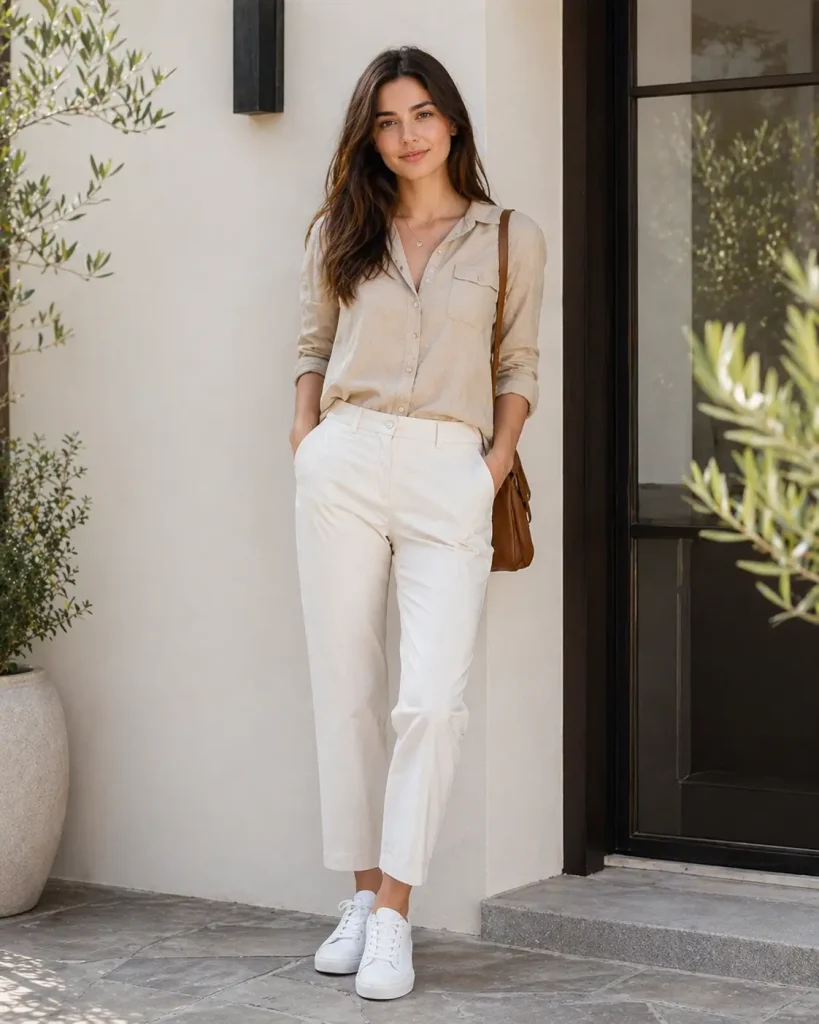
Work on Your Posture and Body Language — Confidence Is Visible
Here is something most beauty guides never tell you. You can have perfect skin, great hair, and a beautiful outfit — but if you are slouching, avoiding eye contact, and walking without confidence — you will not look attractive. Attractiveness is not just physical. A huge part of it is how you carry yourself.
Your body language speaks louder than your appearance. People notice how you walk into a room, how you stand, how you sit, and how you interact. Good posture and confident body language can make an average appearance look stunning — while poor posture can make even a beautiful person look dull and unapproachable.
The best part is — posture and body language can be changed. With a little awareness and daily practice, you can completely transform how you present yourself to the world.
Why Posture Matters for Attractiveness
Poor posture — slouching, hunching forward, looking down — does several negative things to your appearance at once.
It makes you look shorter than you actually are. It creates the appearance of a rounded back and pushed-forward neck. It makes your stomach look larger. It closes off your body language and makes you appear less confident and less approachable.
On the other hand, good posture does the complete opposite. It makes you look taller and leaner. It opens up your chest and makes you appear confident and self-assured. It improves your overall silhouette regardless of your body shape. It makes people naturally drawn to you.
Good posture is one of the most underrated beauty tips — and it costs absolutely nothing.
How to Fix Your Posture
Most people have developed poor posture over years of sitting at desks, looking at phones, and carrying heavy bags. The good news is that posture can be corrected with consistent effort and simple exercises.
Immediate posture fixes:
- Stand tall — imagine a string pulling the top of your head straight up toward the ceiling
- Pull shoulders back and down — not stiff and forced, just relaxed and open
- Engage your core slightly — a light engagement of your stomach muscles supports your spine naturally
- Keep your chin parallel to the ground — not too high, not tucked down
- Distribute weight evenly on both feet when standing — do not lean on one hip
When sitting:
- Sit with your back against the chair — do not hunch forward
- Keep both feet flat on the floor
- Keep your screen at eye level — looking down at a screen for hours damages neck posture
- Take a break every 30 to 40 minutes — stand up, stretch, and reset your posture
Daily habits to improve posture long term:
- Stretch your chest and shoulders every morning — they tighten from phone use and desk work
- Strengthen your core with simple exercises — planks, bridges, and bird-dogs are very effective
- Practice yoga — even 15 minutes a day dramatically improves posture and body awareness
- Be mindful of how you sit while using your phone — most people hunch forward without realizing it

The Power of a Genuine Smile
If there is one thing that makes a person instantly more attractive — it is a genuine smile. Not a forced, fake smile. A real, warm, natural smile.
A genuine smile reaches your eyes. It creates small crinkles at the corners. It lights up your whole face. It makes you look approachable, warm, and happy. And happiness is one of the most attractive qualities a person can have.
People are naturally drawn to those who smile genuinely. It creates a positive impression instantly — before you even say a word.
How to smile more naturally:
- Practice smiling in the mirror — find the smile that feels most natural and relaxed on your face
- Think of something that genuinely makes you happy before entering a room or meeting someone
- Smile with your eyes, not just your mouth — this is what makes a smile look real
- Do not force a smile — people can always tell the difference
Taking care of your teeth also helps you smile with confidence. Brush twice a day, floss regularly, and stay hydrated to avoid dry mouth and bad breath. A clean, healthy mouth makes smiling effortless.
Eye Contact and How You Interact
Eye contact is one of the most powerful tools in body language. It communicates confidence, interest, and sincerity. People who make good eye contact are perceived as more intelligent, more trustworthy, and more attractive.
Many people avoid eye contact because they feel shy or self-conscious. But avoiding eye contact makes you appear nervous, unconfident, or disinterested — none of which are attractive qualities.
How to improve eye contact:
- When someone is talking to you — look at them. Not at your phone, not at the floor
- Hold eye contact naturally — do not stare intensely. Blink normally and look away briefly before returning
- When you are speaking — maintain eye contact to show confidence in what you are saying
- Practice with people you are comfortable with first — friends and family — before applying it in wider social situations
How You Walk Matters
The way you walk into a room creates an immediate impression. A confident walk makes you look attractive, capable, and self-assured — even before anyone gets a close look at you.
Walk attractively by:
- Walking at a steady, calm pace — not rushing or dragging your feet
- Keeping your head up and eyes forward — not looking at the ground
- Letting your arms swing naturally at your sides — do not cross them or hold them stiffly
- Taking smooth, even steps — not too small and shuffling, not exaggerated
- Walking with a sense of purpose — like you know where you are going and you are comfortable getting there

You do not need to practice a runway walk. Just walk naturally — but with your head up, shoulders back, and a calm confidence in your step.
Exercise Regularly — Your Body’s Natural Glow Booster
There is no skincare product in the world that can replicate what regular exercise does for your appearance. Exercise is one of the most powerful and completely natural ways to look more attractive. It improves your skin, your body shape, your energy levels, your mood — and all of that shows on your face and in how you carry yourself.
You do not need a gym membership or expensive equipment. Even simple daily movement — done consistently — can completely transform how you look and feel within weeks.
What Exercise Does for Your Appearance
Most people think exercise is only about losing weight or building muscle. But the beauty benefits of exercise go far beyond body shape. When you exercise regularly, your entire appearance improves from the inside out.
How exercise makes you look more attractive:
- Improves blood circulation — when your heart pumps faster during exercise, blood rushes to your skin. This gives your face a natural, healthy flush and glow that no highlighter can replicate
- Clears your skin — sweating opens up your pores and pushes out dirt, oil, and toxins. After a good workout and a shower, your skin looks visibly cleaner and clearer
- Reduces puffiness — exercise improves lymphatic drainage, which reduces bloating and puffiness in the face and body
- Slows down aging — regular exercise boosts collagen production and reduces inflammation, both of which keep skin looking younger and firmer for longer
- Improves body posture — stronger core and back muscles naturally improve your posture, making you look taller, leaner, and more confident
- Boosts mood and energy — exercise releases endorphins — feel-good hormones — that improve your mood, reduce stress, and give you a natural energy that shows on your face
You Do Not Need Hours — Start Small
One of the biggest reasons people avoid exercise is that they think they need to do intense, long workouts to see results. This is not true. Consistency matters far more than intensity — especially when you are just starting out.
Even 20 to 30 minutes of movement every day makes a real and visible difference over time. The key is to find something you enjoy — because if you enjoy it, you will actually do it regularly.
Simple exercise options that work:
- Walking — the most underrated exercise. A brisk 30 minute walk every day improves circulation, reduces stress, and gradually improves your overall fitness. It costs nothing and can be done anywhere
- Yoga — improves flexibility, posture, body awareness, and mental calm. Even 15 to 20 minutes of morning yoga sets a positive tone for the entire day
- Dancing — fun, effective, and great for your mood. Dance to your favorite songs at home for 20 minutes — it counts as a real workout
- Home bodyweight exercises — squats, lunges, push-ups, and planks require no equipment and work your entire body effectively
- Cycling — great for lower body strength and cardiovascular health
- Swimming — full body workout that is also very gentle on joints

Start with whatever feels manageable. Even a 15 minute walk is better than doing nothing. Build the habit first — then increase the duration and intensity gradually.
Exercise and Skin — The Connection
Many people do not realize how directly exercise affects the appearance of their skin. The connection is real and significant.
When you exercise, your heart rate increases and blood circulation improves throughout your body — including your skin. This increased blood flow delivers more oxygen and nutrients to skin cells. It also helps carry away waste products from skin cells more efficiently. The result is skin that looks fresher, brighter, and more alive.
Sweating during exercise is also beneficial for skin — as long as you clean your skin properly afterward. Sweat helps flush out impurities from pores. But if you leave sweat sitting on your skin for too long, it can mix with bacteria and cause breakouts.
Important skin care habits around exercise:
- Before exercise — remove any makeup or heavy skincare products. Let your skin breathe during the workout
- During exercise — avoid touching your face. Hands carry bacteria that can cause breakouts
- After exercise — wash your face as soon as possible after your workout. Do not let sweat sit on your skin
- Stay hydrated — drink water before, during, and after exercise to keep skin hydrated from within
Exercise Improves Your Mental State — And It Shows
Attractiveness is not only physical. Your mental and emotional state plays a huge role in how attractive you appear. Stress, anxiety, and low mood all show on your face — in the form of dull skin, tension in your expression, and closed-off body language.
Exercise is one of the most effective natural treatments for stress and anxiety. When you exercise, your brain releases endorphins — chemicals that naturally improve your mood and reduce feelings of stress and worry. Regular exercise also improves sleep quality, reduces cortisol levels, and builds self-confidence over time.
When you feel good inside — it radiates outward. Your eyes look brighter. Your smile comes more easily. Your energy is higher. Your posture is more open and confident. All of these things make you look significantly more attractive — without any makeup or product.
Mental benefits of regular exercise:
- Reduces stress and anxiety naturally
- Improves quality and depth of sleep
- Boosts self-confidence and body image
- Increases energy levels throughout the day
- Improves focus and mental clarity
- Reduces symptoms of depression over time
Build a Simple Weekly Exercise Routine
You do not need a complicated fitness plan. A simple, realistic routine that you can stick to consistently is always better than an ambitious plan that lasts three days.
Simple weekly routine for beginners:
- Monday — 30 minute brisk walk
- Tuesday — 20 minute yoga or stretching session
- Wednesday — 30 minute walk or light home workout
- Thursday — rest day or gentle stretching
- Friday — 20 to 30 minute dance session or home workout
- Saturday — longer walk, cycling, or any physical activity you enjoy
- Sunday — complete rest and recovery
This routine is simple, balanced, and completely doable for most people. As you build the habit and your fitness improves, you can gradually add more intensity or duration.

The most important thing is to start. Do not wait for the perfect time or the perfect plan. Start with a 15 minute walk today — and build from there.
Keep Your Nails Clean and Neat — Small Detail, Big Impact
Nails are one of those things that people notice without even realizing it. When someone’s nails are clean, trimmed, and well-maintained — it adds a quiet polish to their overall appearance. But when nails are dirty, broken, or overgrown — it immediately creates a negative impression, no matter how good everything else looks.
You do not need nail polish or gel extensions to have attractive nails. Clean, shaped, and healthy natural nails always look better than poorly maintained painted ones. Nail care is a small detail — but small details are what separate a put-together appearance from an average one.
Basic Nail Care Routine
Taking care of your nails does not require a salon visit every week. A simple at-home routine done consistently keeps your nails looking neat and attractive at all times.
What you need:
- A nail clipper
- A nail file or emery board
- A cuticle pusher or orange stick
- A soft nail brush
- Hand moisturizer or cuticle oil
Simple steps to follow:
Step 1 — Trim regularly Trim your nails every one to two weeks depending on how fast they grow. Do not let them grow too long without maintenance — long nails that are not properly cared for look untidy and collect dirt underneath.
Cut nails straight across and then gently round the corners with a file. This shape is clean, practical, and less prone to breaking.
Step 2 — File and shape After trimming, use a nail file to smooth any rough edges. Always file in one direction — not back and forth. Filing back and forth weakens the nail and causes splitting and peeling.
Choose a shape that suits your fingers. The most universally flattering shapes are:
- Oval — elongates fingers and looks elegant
- Squoval — a mix of square and oval, practical and neat
- Round — soft and classic, works for shorter nails
Step 3 — Clean under the nails Use a soft nail brush with mild soap and water to clean under and around your nails. Dirt and bacteria collect under nails throughout the day — especially if you work with your hands. Clean nails look fresh and hygienic.
Step 4 — Push back cuticles Cuticles are the thin layer of skin at the base of your nail. When they are overgrown, they make nails look shorter and less neat. After a shower — when skin is soft — gently push cuticles back with a cuticle pusher or orange stick. Do not cut cuticles — pushing them back gently is enough and much safer.
Step 5 — Moisturize This step is often skipped — but it makes a big difference. Dry, cracked skin around nails looks rough and unhealthy. Apply hand moisturizer or a few drops of cuticle oil around your nails every night before sleeping. Massage it in gently. Over time, your cuticles will become softer and your nails will look healthier and shinier naturally.

Habits That Damage Your Nails — And How to Stop Them
Many common everyday habits silently damage nails over time. Being aware of these habits and stopping them is just as important as following a nail care routine.
Habits to avoid:
- Biting your nails — this is one of the most damaging habits. It weakens nails, makes them uneven and jagged, damages the skin around them, and spreads bacteria from hands to mouth. If you bite your nails out of stress or habit, try applying bitter-tasting nail oil as a deterrent. Address the underlying stress with healthier habits like deep breathing or fidget tools
- Peeling off nail polish — when you peel polish off instead of using remover, you take layers of your actual nail with it. This leaves nails thin, weak, and rough. Always use a gentle, acetone-free nail polish remover
- Using nails as tools — opening cans, scratching stickers, prying things open — all of these put pressure on nails and cause them to break and split. Use actual tools instead
- Skipping gloves while cleaning — household cleaning products contain harsh chemicals that dry out and weaken nails and the skin around them. Wear rubber gloves when washing dishes or cleaning surfaces
- Cutting cuticles — cutting cuticles breaks the protective seal around your nail and allows bacteria and infection to enter. Always push back, never cut
Foods That Strengthen Your Nails Naturally
Just like your skin and hair, your nails reflect what you eat. Weak, brittle, and slow-growing nails are often a sign of nutritional deficiency. Eating the right foods strengthens nails from the inside out.
Best foods for strong, healthy nails:
- Eggs — rich in biotin, which is essential for nail strength and growth
- Nuts and seeds — almonds, sunflower seeds, and walnuts provide Vitamin E and healthy fats that keep nails flexible and strong
- Leafy greens — spinach and kale are rich in iron and calcium, both important for nail health
- Salmon and fatty fish — omega-3 fatty acids keep nails moisturized and prevent brittleness
- Beans and lentils — great plant-based source of biotin and protein
- Dairy products — milk, yogurt, and cheese provide calcium which strengthens nails
- Carrots and sweet potatoes — rich in Vitamin A which supports nail cell growth
If your nails are very weak or brittle despite a good diet, consider talking to a doctor. Sometimes low iron, thyroid issues, or other health conditions affect nail strength.
Natural Remedies for Stronger and Shinier Nails
A few simple natural treatments can visibly improve the condition of your nails without any expensive products.
Olive oil soak: Warm a small amount of olive oil and soak your nails in it for 10 minutes. Do this once a week. Olive oil deeply moisturizes nails and cuticles and makes them look shiny and healthy naturally.
Lemon juice and baking soda: Mix lemon juice with a pinch of baking soda and gently scrub your nails with an old toothbrush. This removes surface stains and brightens nails naturally. Do this once every two weeks — not more, as lemon can be drying with overuse.
Coconut oil massage: Apply a small drop of coconut oil on each nail and massage it in circular motions for two to three minutes. Do this every night before sleeping. Coconut oil strengthens nails, softens cuticles, and gives nails a healthy natural shine.
Should You Use Nail Polish or Not
Nail polish is completely optional. Clean, shaped, natural nails look just as attractive — sometimes more so — than painted ones. If you choose to wear nail polish, that is perfectly fine. But if you prefer to keep nails natural, that is equally beautiful.
If you do use nail polish occasionally:
- Always apply a clear base coat first — it protects your nail from staining
- Choose non-toxic, breathable nail polish formulas when possible
- Remove polish before it starts chipping — chipped polish looks more untidy than no polish at all
- Give your nails regular breaks from polish to let them breathe and recover
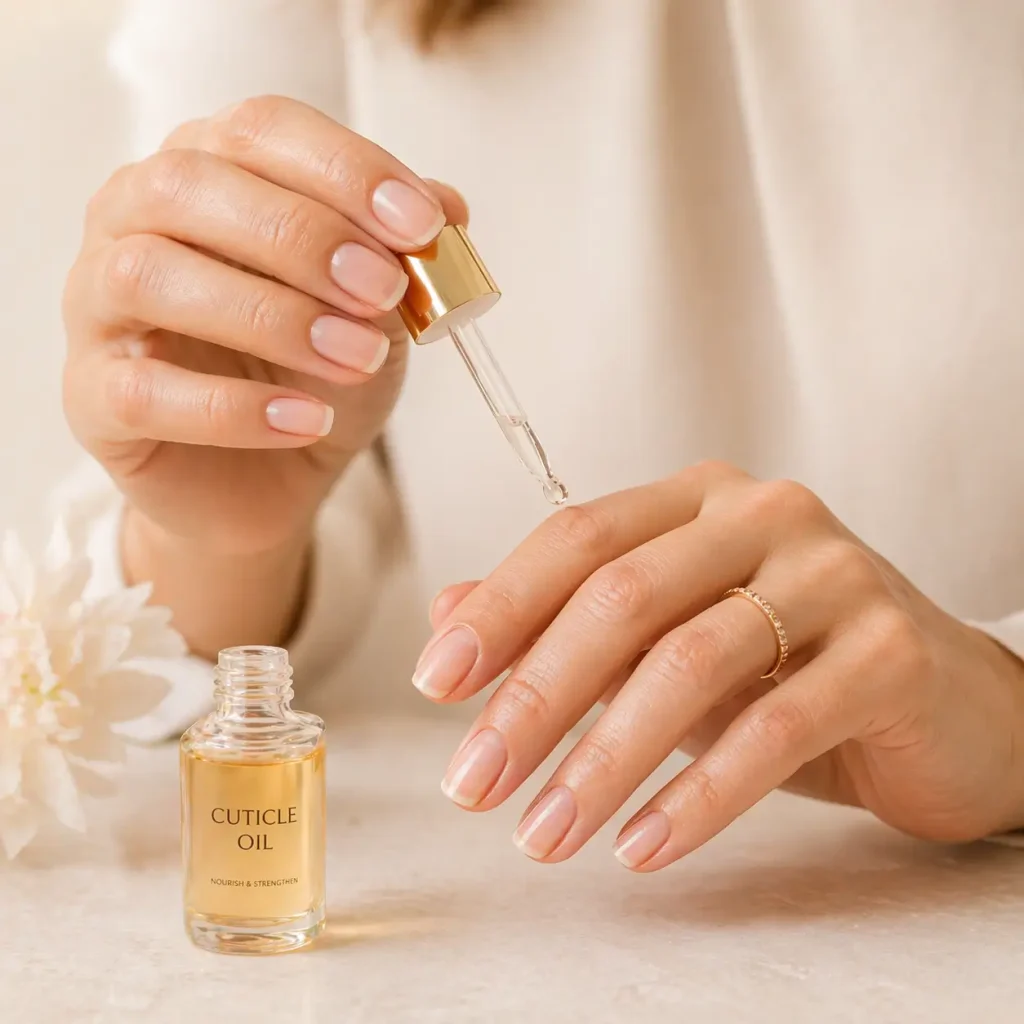
A simple clear top coat applied on natural nails gives them a clean, subtle shine without any color — and looks very neat and polished in a quiet, understated way.
Manage Stress — Because It Shows on Your Face
You can follow every tip in this guide perfectly — drink water, sleep well, exercise, eat right, groom yourself — but if you are living under constant stress, it will still show on your face. Stress is one of the most damaging things for your appearance. It affects your skin, your hair, your eyes, your posture, and your energy — all at once.
The connection between stress and appearance is not just psychological. It is deeply physical. When you are stressed, your body goes through real chemical changes that directly impact how you look. Understanding this connection is the first step toward managing it.
How Stress Affects Your Appearance
When you experience stress, your body releases a hormone called cortisol. In small amounts, cortisol is normal and helpful. But when stress is constant and cortisol levels stay high for long periods — the damage to your appearance becomes visible and significant.
What chronic stress does to your looks:
- Causes breakouts — high cortisol increases oil production in skin glands. This leads to clogged pores, acne, and inflammation — especially along the jawline and chin
- Creates dull, tired skin — stress reduces blood flow to the skin and slows down cell renewal. The result is skin that looks grey, flat, and lifeless
- Accelerates aging — cortisol breaks down collagen and elastin — the proteins that keep skin firm and youthful. Chronic stress leads to premature fine lines and sagging skin
- Causes hair loss — stress pushes hair follicles into a resting phase, which leads to increased shedding and thinning hair. This type of hair loss is called telogen effluvium and is very common in people going through prolonged stress
- Creates dark circles and puffy eyes — stress disrupts sleep, and poor sleep creates darkness and puffiness around the eyes that is very difficult to hide
- Affects your expression — when you are stressed, your face holds tension. Your jaw tightens, your forehead furrows, your eyes look strained. Over time, these expressions create permanent lines and make you look older and more tired than you are
Simple and Effective Stress Management Habits
The goal is not to eliminate stress completely — that is impossible. The goal is to manage it well so that it does not take over your body and your appearance. Small, consistent habits practiced daily are far more effective than occasional big efforts.
Deep breathing — 5 minutes a day:
This is the simplest and most immediately effective stress relief tool available to everyone. Deep breathing activates your parasympathetic nervous system — the part of your body responsible for calm and rest. It lowers cortisol levels within minutes.
How to practice:
- Sit comfortably with your back straight
- Inhale slowly through your nose for 4 counts
- Hold your breath for 4 counts
- Exhale slowly through your mouth for 6 to 8 counts
- Repeat for 5 minutes

Do this every morning before starting your day and every night before sleeping. You will notice a difference in your stress levels and sleep quality within days.
Spend time doing things you genuinely enjoy:
One of the most overlooked stress management tools is simply doing things that bring you joy. Reading, cooking, painting, gardening, listening to music, taking a long bath — whatever makes you feel relaxed and happy.
Many people feel guilty spending time on activities that are just for enjoyment. But this time is not wasted — it is essential. It recharges your mental and emotional batteries. It reduces cortisol. It improves your mood. And all of that reflects positively on your appearance.
Schedule at least 30 minutes every day for something you enjoy. Treat it as seriously as any other commitment in your day.
Limit social media and screen time:
Social media is one of the biggest hidden sources of stress and anxiety — especially for women. Constant comparison, unrealistic beauty standards, and the pressure to present a perfect life online creates chronic low-level stress that many people do not even recognize as stress.
Limiting your time on social media — especially in the morning and before bed — can have a dramatic positive impact on your mental state and self-image.
Practical steps:
- Set a daily time limit for social media apps on your phone
- Do not check social media first thing in the morning — start your day with something positive instead
- Unfollow accounts that make you feel bad about yourself
- Remember that what you see on social media is always a highlight reel — not reality
Spend time in nature:
Nature has a proven calming effect on the human nervous system. Even a short walk in a park, sitting near water, or spending time in a garden reduces cortisol levels and improves mood significantly.
Try to get outside in natural light and greenery for at least 15 to 20 minutes every day. Morning sunlight is especially beneficial — it regulates your body clock, improves sleep quality, and boosts Vitamin D levels which are essential for healthy skin and hair.
Journaling — A Powerful Tool for Mental Peace
Writing down your thoughts and feelings is one of the most effective and underused tools for stress management. Journaling helps you process emotions, identify patterns in your thinking, and release mental tension that would otherwise stay trapped in your body.
You do not need to be a writer to journal. There are no rules. Just write whatever is on your mind — without judgment or editing.
Simple journaling practices to try:
- Gratitude journaling — every night, write down three things you are grateful for. This simple practice shifts your focus from what is wrong to what is good. Over time it rewires your brain toward a more positive and calm baseline
- Brain dump journaling — when you feel overwhelmed, write down everything that is on your mind. Getting thoughts out of your head and onto paper reduces mental clutter and anxiety significantly
- Daily reflection — spend five minutes at the end of each day writing about what went well, what was challenging, and what you want to do differently tomorrow
Even five minutes of journaling before bed can improve your sleep quality and reduce the stress that would otherwise keep you awake at night.
The Mind-Beauty Connection
Your mental state and your physical appearance are more connected than most people realize. When you are mentally calm, happy, and at peace — it shows on your face in ways that no product can replicate.
Your eyes look brighter and more alive. Your skin has a natural warmth and glow. Your expression is open and relaxed. Your smile comes easily and genuinely. Your posture is more open and confident. You move through the world with an ease and lightness that people find naturally attractive.
On the other hand, chronic stress creates the opposite effect — dull eyes, tense expression, poor posture, and a general heaviness that no amount of skincare or grooming can fully overcome.
Taking care of your mental health is not separate from taking care of your appearance. It is a core part of it. When you invest in your inner peace — your outer beauty follows naturally.
Daily habits for a calmer, more beautiful mind:
- Practice deep breathing every morning and night
- Limit social media to 30 minutes or less per day
- Spend time outdoors in natural light every day
- Do something enjoyable for at least 30 minutes daily
- Journal for five minutes before sleeping
- Connect with people who make you feel good — limit time with those who drain your energy
- Practice saying no — overcommitting is one of the leading causes of chronic stress
- Celebrate small wins — acknowledge your efforts and progress every day

Smell Good — Because Scent Is Part of Your Attraction
Attractiveness is not only what people see — it is also what they sense. And one of the most powerful senses is smell. A person who looks beautiful but does not smell fresh immediately loses their appeal. On the other hand, someone who smells clean and pleasant becomes instantly more attractive and memorable — even before people fully notice their appearance.
Your natural scent combined with good hygiene habits and a subtle, pleasant fragrance creates a powerful and lasting impression. This is one area where small efforts make an enormous difference.
Start With Basic Body Hygiene
No perfume or fragrance can replace basic body hygiene. In fact, applying fragrance over an unclean body makes things worse — not better. The foundation of smelling good is always cleanliness.
Daily hygiene habits that keep you smelling fresh:
- Shower every day — especially in warm weather or after physical activity. Use a mild, gentle body wash that cleanses without drying your skin
- Pay attention to problem areas — underarms, feet, and neck are areas where sweat and bacteria accumulate most. Clean these areas thoroughly every time you shower
- Dry yourself completely after showering — bacteria thrive in damp environments. Pat your skin fully dry before dressing — especially in skin folds and between toes
- Wear clean clothes every day — rewearing clothes that have absorbed sweat is one of the most common causes of unpleasant body odor. Always wear fresh, clean clothes
- Change undergarments daily — without exception. This is non-negotiable for staying fresh throughout the day
- Wash bed sheets regularly — sheets absorb sweat, oil, and dead skin cells over time. Wash them at least once a week to keep your sleeping environment clean and fresh
Use Deodorant or Natural Alternatives
After showering, protecting your underarms from odor is important — especially if you have an active lifestyle or live in a warm climate.
Deodorant vs antiperspirant — what is the difference:
- Deodorant — masks or neutralizes body odor. It does not stop sweating — it just keeps the smell under control
- Antiperspirant — reduces sweating by temporarily blocking sweat glands. It also usually contains deodorant properties
Both work. Choose what feels comfortable for your body. If you prefer a more natural approach, there are very effective natural alternatives.
Natural deodorant alternatives:
- Alum stone (phitkari) — a completely natural mineral that has been used for centuries. Wet it slightly and rub it on clean underarms after showering. It kills odor-causing bacteria without any chemicals. Very effective and very affordable
- Baking soda — apply a tiny pinch of baking soda on dry underarms. It absorbs moisture and neutralizes odor naturally. Use sparingly as it can irritate sensitive skin
- Coconut oil with tea tree oil — mix a small amount of coconut oil with two drops of tea tree oil. Apply on underarms. Coconut oil moisturizes while tea tree oil kills bacteria
- Rose water — spray or dab rose water on pulse points and underarms throughout the day for a fresh, light, natural scent

Take Care of Your Mouth — Fresh Breath Matters
Body hygiene is important — but fresh breath is equally critical. Bad breath is one of the most off-putting things in any interaction. It does not matter how beautiful you look or how well you are dressed — bad breath immediately creates a negative impression that is very hard to recover from.
The good news is that maintaining fresh breath is simple with consistent oral hygiene habits.
Daily oral care routine:
- Brush your teeth twice a day — once in the morning and once before sleeping at night. Use a soft-bristled toothbrush and fluoride toothpaste. Brush for at least two minutes each time — most people rush this and miss important areas
- Clean your tongue — a large percentage of bad breath comes from bacteria that collect on the surface of your tongue. Use a tongue scraper or the back of your toothbrush to gently clean your tongue every morning
- Floss daily — food particles trapped between teeth cause bacteria buildup and bad breath. Flossing takes only two minutes and makes a significant difference
- Use mouthwash — an antibacterial mouthwash used once a day helps kill bacteria and keeps breath fresh for longer. Choose an alcohol-free formula — alcohol-based mouthwashes dry out the mouth which can actually worsen bad breath over time
- Stay hydrated — a dry mouth smells bad. Drinking enough water throughout the day keeps saliva flowing, which naturally cleans your mouth and controls bacteria
- Eat breath-friendly foods — parsley, mint, green tea, and apples are all natural breath fresheners. Chewing on fresh parsley or mint leaves after meals is a simple and effective natural remedy
Foods that cause bad breath — minimize these:
- Raw onion and garlic — their sulfur compounds enter your bloodstream and come out through your breath
- Dairy products in excess — can leave a residue that bacteria feed on
- Coffee — dries out the mouth and has a strong lingering smell
- Sugary foods and drinks — feed mouth bacteria and cause acid that leads to bad breath
Use Fragrance the Right Way
A light, pleasant fragrance is the final layer of smelling attractive. But less is always more when it comes to fragrance. Overpowering perfume is just as off-putting as bad body odor. The goal is a subtle, pleasant scent that people notice when they are close to you — not something that fills the entire room before you walk in.
How to apply fragrance correctly:
- Apply on pulse points — wrists, neck, behind ears, and inside elbows. These areas generate heat which helps the fragrance project and last longer
- Apply after moisturizing — fragrance lasts significantly longer on moisturized skin than on dry skin
- Do not rub your wrists together after applying — rubbing breaks down the fragrance molecules and changes the scent
- Apply before dressing — spraying on clothes can stain fabric and the scent does not develop properly on fabric
- One to two sprays is enough for most situations — resist the urge to apply more
Natural fragrance alternatives:
If you prefer to avoid commercial perfumes or want a more natural approach, there are beautiful natural options.
- Rose water — spray lightly on your hair and skin for a soft, feminine, and natural floral scent
- Jasmine or lavender essential oil — dilute one to two drops in a carrier oil like jojoba or almond oil and apply on pulse points. Both scents are pleasant, calming, and long-lasting
- Sandalwood oil — warm, woody, and very subtle. A tiny amount applied on the neck and wrists lasts for hours
- Orange or lemon essential oil — fresh, citrusy, and uplifting. Great for daytime wear
Keep Your Hair Smelling Fresh
Hair holds scent very strongly — both good and bad. Hair that smells clean and fresh adds significantly to your overall attractiveness. Hair that smells of sweat, oil, or smoke immediately creates a negative impression.
Habits for fresh smelling hair:
- Wash hair regularly as discussed in the hair care section
- Avoid being around heavy smoke or strong food smells when your hair is freshly washed — hair absorbs these odors very quickly
- Use a light hair mist or spray a small amount of your perfume in the air and walk through it — this deposits a very subtle fragrance on your hair without the alcohol directly touching the strands
- Apply a small amount of rose water on your hair brush and run it through your hair — it leaves a gentle, natural scent
- Keep hair tied up in environments with strong smells — kitchens, crowded spaces — to minimize odor absorption
Smell Good From the Inside Out
Just like glowing skin, smelling good is also partly an inside job. What you eat and drink affects your natural body scent in real and noticeable ways.
Foods that improve your natural body scent:
- Fresh fruits and vegetables — especially citrus fruits, berries, and leafy greens. They make your sweat smell fresher and more pleasant
- Plenty of water — dilutes the concentration of waste products in sweat, making body odor milder
- Herbs like mint, parsley, and cilantro — contain chlorophyll which is a natural deodorizer from the inside
- Yogurt and probiotics — a healthy gut reduces digestive odors that can come through the skin and breath
Foods that worsen body odor — reduce these:
- Red meat — takes longer to digest and produces stronger smelling sweat
- Excessive garlic and onion — their compounds are released through sweat glands
- Alcohol — comes out through skin and breath and has a very distinct unpleasant smell
- Heavily spiced foods — strong spices like cumin and curry are released through sweat

Build a Simple Daily Routine — Consistency Is the Real Secret
Every tip in this guide works. But tips only work when they are practiced consistently. Reading about skincare, hair care, hydration, and exercise is not enough. You have to actually do these things — every single day — for them to make a real difference in how you look and feel.
This is where a daily routine becomes your most powerful tool. A routine removes the need to think and decide every day. It makes good habits automatic. And automatic habits are the ones that actually stick long term.
You do not need a complicated, hour-long routine. A simple, realistic routine that fits your lifestyle is always better than a perfect routine that you cannot maintain.
Why a Routine Matters for Natural Beauty
Think about the most naturally attractive people you know. Chances are they are not doing anything dramatically different from everyone else. They are just doing simple things — consistently. Clean skin, healthy hair, good sleep, regular movement — done every day without fail.
That consistency is what creates results. One good night of sleep does not transform your skin. But thirty consecutive good nights of sleep absolutely will. One glass of water does not hydrate you. But eight glasses every day for a month will visibly change how your skin looks.
A daily routine is simply a system that makes consistency easy. Once your routine becomes a habit — it no longer requires motivation or willpower. It just happens. And the results compound over time into a naturally attractive appearance that feels effortless.
Your Morning Routine — Start the Day Right
Your morning sets the tone for your entire day. A calm, intentional morning routine helps you look and feel your best from the moment you step outside.
Simple morning routine — 20 to 30 minutes:
Step 1 — Wake up and drink water (2 minutes) Before anything else — before your phone, before coffee, before anything — drink a full glass of water. Your body has been without water for 7 to 8 hours during sleep. Rehydrating first thing in the morning kickstarts your metabolism, wakes up your digestive system, and immediately starts benefiting your skin.
Step 2 — Wash your face (3 minutes) Use your gentle face wash to cleanse away any oil and sweat that accumulated on your skin overnight. Use lukewarm water. Pat dry gently with a clean towel.
Step 3 — Moisturize with SPF (2 minutes) Apply your lightweight moisturizer with SPF. This protects your skin from sun damage throughout the day — one of the most important anti-aging and skin-brightening habits you can build.
Step 4 — Brush teeth and clean tongue (3 minutes) Thorough brushing plus tongue cleaning every morning sets you up for fresh breath all day. Do not rush this step.
Step 5 — Groom your eyebrows (1 minute) Brush them upward with a spoolie. Tweeze any obvious stray hairs. Apply a tiny dot of aloe vera gel if needed to set them in place.
Step 6 — Style your hair (5 to 10 minutes) Oil your scalp the night before on wash days. On non-wash days — brush thoroughly, apply a small amount of serum or coconut oil on the surface to control frizz, and style into a neat look.
Step 7 — Wear clean, well-fitted clothes (5 minutes) Lay out your outfit the night before to make mornings stress-free. Check for wrinkles, stains, and loose threads before putting anything on.
Step 8 — Drink another glass of water before leaving Make it a rule — you do not leave the house without drinking at least two glasses of water in the morning.

Your Evening Routine — Let Your Body Repair Overnight
Your evening routine is just as important as your morning one. This is when your body — and your skin — does its deepest repair work. Setting up good evening habits ensures you wake up looking fresher and more rested every single morning.
Simple evening routine — 15 to 20 minutes:
Step 1 — Remove any product from your face (2 minutes) If you wore sunscreen, any tinted product, or anything on your face during the day — remove it thoroughly before washing. Use micellar water or a gentle cleansing oil to dissolve and lift everything off first.
Step 2 — Wash your face (3 minutes) Even if you did not wear any product — your face has collected pollution, dust, sweat, and oil throughout the day. Washing your face every night without fail is one of the most impactful skincare habits you can build. Use your gentle face wash and lukewarm water.
Step 3 — Apply night moisturizer or facial oil (2 minutes) Nighttime is when skin absorbs products most deeply. Apply a slightly richer moisturizer, aloe vera gel, or a few drops of facial oil — rosehip, almond, or jojoba. Massage gently in upward circular motions for one to two minutes.
Step 4 — Apply lip balm (30 seconds) Before sleeping every single night — apply Vaseline, honey, or coconut oil on your lips. This one habit will transform dry, dark lips into soft and naturally colored ones within weeks.
Step 5 — Apply cuticle oil or hand cream (1 minute) Massage a small amount of hand cream or cuticle oil into your nails and hands. This keeps your hands soft and your nails healthy while you sleep.
Step 6 — Tie your hair loosely (1 minute) Never sleep with your hair completely loose and tangled. Tie it in a loose braid or low bun to prevent breakage, tangles, and facial acne from hair oil. If possible — switch to a silk or satin pillowcase.
Step 7 — Journal or deep breathe (5 minutes) End your day by releasing stress. Write three things you are grateful for. Or simply sit quietly and practice deep breathing for five minutes. This lowers cortisol, calms your nervous system, and prepares your body for deep, restorative sleep.
Step 8 — Sleep on time Put your phone away. Keep your room cool and dark. Sleep at the same time every night. Aim for 7 to 8 hours without interruption.

Weekly Habits to Add to Your Routine
Beyond daily habits, there are a few weekly practices that significantly boost your natural attractiveness over time.
Once a week:
- Deep condition your hair — apply a hair mask or oil treatment and leave it for 30 minutes to an hour before washing
- Exfoliate your face — use a gentle scrub or chemical exfoliant to remove dead skin cells and reveal brighter skin underneath
- Exfoliate your lips — use the sugar and honey scrub to keep lips smooth and soft
- Full body exfoliation — use a body scrub in the shower to remove dead skin from elbows, knees, and feet. Follow with body lotion for soft, smooth skin
- Trim and maintain nails — file, shape, push back cuticles, and apply cuticle oil
Once or twice a week:
- Hair oiling — apply coconut, almond, or castor oil on scalp and hair. Leave for a few hours and wash out
- Face mask — a simple homemade mask of honey and turmeric, or aloe vera and rose water, deeply nourishes and brightens skin
- Physical exercise session — if daily movement is light walks and stretching, add one or two more intense sessions per week
Once a month:
- Eyebrow threading or shaping — maintain the clean shape of your brows with a professional threading session
- Hair trim — even trimming just the ends every four to six weeks prevents split ends and keeps hair looking healthy
- Skin check — look at your skin in good lighting. Note any changes, new dryness, breakouts, or areas that need more attention. Adjust your routine accordingly
How to Actually Stick to Your Routine
Building a routine is easy. Sticking to it long enough for it to become automatic is the real challenge. Here are simple strategies that make consistency much easier.
Start small — do not try to do everything at once: If you currently have no routine at all — do not try to implement everything in this guide on day one. Start with just two or three habits. Master those first. Then gradually add more over the following weeks.
Attach new habits to existing ones: This is called habit stacking and it is one of the most effective behavior change strategies. For example — after you brush your teeth (existing habit) you apply lip balm (new habit). After you drink your morning coffee (existing habit) you drink a glass of water (new habit). Attaching new habits to established ones makes them much easier to remember and maintain.
Prepare the night before: Lay out your clothes. Fill your water bottle. Put your skincare products in the order you will use them. The less friction between you and your routine — the more likely you are to follow through.
Track your progress: Keep a simple habit tracker — either in a notebook or on your phone. Checking off completed habits every day creates a visual record of your consistency. Seeing your streak builds motivation to keep going.
Be kind to yourself when you miss a day: Missing one day does not break your routine. The mistake people make is missing one day and then giving up entirely. The rule is simple — never miss two days in a row. One missed day is a pause. Two consecutive missed days is the start of a broken habit.

Confidence Is the Real Secret — Wear It Every Day
You have reached the most important section of this entire guide. Everything discussed so far — skincare, hair care, nutrition, sleep, exercise, grooming, dressing well — all of it matters. But none of it reaches its full potential without this one thing. Confidence.
Confidence is not a physical feature. You cannot buy it, apply it, or inherit it. But it is the single most visible and most attractive quality a person can have. A confident person walks into a room and people notice — not because of their perfect skin or their expensive clothes — but because of the energy they carry. That energy is magnetic. And it is available to every single person — including you.
What Confidence Actually Looks Like
Many people misunderstand confidence. They think it means being loud, outgoing, or always sure of yourself. That is not what real confidence looks like.
Real confidence is quiet. It is calm. It is a deep, steady sense of being comfortable in your own skin — even on imperfect days. It is knowing your worth without needing to announce it. It is being present in a conversation without constantly worrying about how you appear. It is walking into a room without needing everyone’s approval before you feel okay about being there.
Confident people are attractive because they are at ease with themselves. That ease is contagious. People feel comfortable around them. People are drawn to them. And that natural magnetism is something that no amount of makeup or styling can replicate.
Why So Many People Struggle With Confidence
Lack of confidence is extremely common — and it almost always comes from the same sources. Understanding where your self-doubt comes from is an important step toward overcoming it.
Common causes of low confidence:
- Comparison — constantly comparing yourself to others — especially on social media — creates a distorted view of yourself. You compare your everyday reality to someone else’s highlight reel. This comparison is never fair and always damaging
- Negative self-talk — the way you speak to yourself inside your head shapes how you feel about yourself more than anything else. Many people speak to themselves in ways they would never speak to someone they love. Harsh inner criticism destroys confidence quietly and consistently
- Past experiences — negative comments from others, bullying, criticism from family, or past failures can leave deep marks on self-image that persist long after the experience is over
- Unrealistic beauty standards — media, advertising, and social platforms constantly present a narrow and heavily edited version of beauty as the standard. When you measure yourself against these impossible standards, you will always feel like you fall short
- Lack of self-care — when you neglect your body and appearance, it affects how you feel about yourself. This is one of the reasons all the previous tips in this guide matter — not just for how you look to others, but for how you feel about yourself
How to Build Real Confidence — Practically
Confidence is not something you either have or do not have. It is something you build — deliberately, over time, through consistent actions and mindset shifts.
Stop comparing yourself to others:
This is the most important and most difficult step. Every time you compare yourself to someone else — on social media, in real life, or in your imagination — you are choosing to measure yourself against a standard that has nothing to do with your own unique value and beauty.
Every person is different. Different bone structure, different skin tone, different body shape, different features. These differences are not flaws — they are what make each person uniquely beautiful. The goal is never to look like someone else. The goal is to be the best, most authentic version of yourself.
Practical steps:
- Limit social media to 30 minutes or less daily
- Unfollow any account that consistently makes you feel bad about yourself
- When a comparison thought arises — acknowledge it without judgment and consciously redirect your focus to something you appreciate about yourself
Change the way you talk to yourself:
Your inner voice is your most constant companion. It is with you every moment of every day. If that voice is consistently critical, harsh, and negative — it will quietly erode your confidence no matter how much external effort you put in.
Start paying attention to how you speak to yourself. When you look in the mirror — what is the first thing you say? When you make a mistake — how do you respond to yourself? When you compare yourself to someone else — what conclusion do you reach about your own worth?
Practice replacing harsh self-criticism with the kind of voice you would use with a close friend. You would not tell your best friend that she is ugly, that she has gained too much weight, or that she is not good enough. Do not say those things to yourself either.
This does not mean ignoring areas for growth. It means approaching yourself with kindness and encouragement rather than criticism and judgment. Progress comes much faster from self-compassion than from self-criticism.
Focus on what you love about yourself:
Most people find it much easier to list what they dislike about their appearance than what they love. This is a trained habit — and it can be retrained.
Every morning — before you look at your phone, before you think about your day — think of one thing you genuinely appreciate about yourself. It can be physical — your eyes, your smile, your hair. Or it can be non-physical — your kindness, your intelligence, your humor, your strength.

Over time, this practice shifts your default focus from what is wrong to what is right. And that shift changes everything about how you see yourself — and how others see you. Get the best natural glowing skin tips at home in 2026 for healthy, radiant, and clear skin naturally.
Confidence and Your Appearance — The Two Way Relationship
Here is something important to understand. Confidence and your appearance have a two-way relationship. Taking care of your appearance builds confidence. And confidence makes your appearance more attractive.
When you follow a daily routine, drink enough water, sleep well, exercise, and groom yourself — you feel better about yourself. That feeling of taking care of yourself creates a quiet self-respect that shows in how you carry yourself. Your posture improves. Your smile comes more easily. Your eyes are brighter. Your energy is higher.
And all of that — that self-care energy — is deeply attractive to everyone around you.
This is why every tip in this guide ultimately comes back to confidence. Glowing skin is attractive — but the confidence that comes from taking care of your skin is even more attractive. Healthy hair is beautiful — but the ease and pride you feel when your hair looks good makes you carry yourself differently. Clean, well-fitted clothes look good — but the confidence of knowing you look put together changes how you walk, talk, and interact.
The external habits and the internal confidence build each other. Start with the external habits — because they are concrete and actionable. And watch how they gradually build the internal confidence that becomes your most powerful natural beauty asset.
Embrace Your Unique Beauty
One of the most attractive things a person can do is fully embrace what makes them uniquely themselves. Not trying to look like someone else. Not hiding their features. Not apologizing for their appearance. Just being fully, unapologetically themselves.
Your skin tone is beautiful — whatever it is. Your features are beautiful — whatever combination they are. Your body is beautiful — whatever shape and size it is. These are not just comforting words. They are true. Beauty is not one thing. It is infinite. And your particular version of it is genuinely worth celebrating.
The women who are remembered as truly beautiful are almost never the ones who looked most like a magazine cover. They are the ones who owned their uniqueness. Who walked with ease. Who smiled genuinely. Who were present and real and alive in their own skin.
That is what you are working toward. Not perfection. Not someone else’s standard. Just the best, most alive, most authentic version of you.
Daily Confidence Practices
Just like skincare and exercise, confidence requires daily practice. These small habits — done consistently — build a foundation of genuine self-assurance over time.
- Every morning — say one kind thing to yourself before looking at your phone
- Every time you pass a mirror — find one thing to appreciate instead of one thing to criticize
- Every day — do at least one thing that is purely for your own wellbeing and enjoyment
- Every week — reflect on something you did well, handled gracefully, or are genuinely proud of
- Whenever comparison strikes — remind yourself that someone else’s beauty does not diminish yours
- Whenever negative self-talk appears — pause, acknowledge it, and consciously replace it with something kinder and more accurate
- Celebrate consistency — every day you follow your routine, drink your water, move your body, and take care of yourself is a victory worth acknowledging

Conclusion – How to Look Attractive Without Makeup Naturally
Natural beauty is not about doing too much. It is about being consistent with small, simple habits. When you focus on how to look attractive without makeup naturally, the answer is always the same — take care of your skin, eat healthy, drink enough water, and rest well. You do not need expensive products or heavy makeup to look good every day. What matters most is how you treat your body and mind. Small daily habits create real results over time. When you feel fresh and confident inside, it shows on your face. Keep things simple, stay consistent, and let your natural beauty shine.


